Rubbish Removal London- Same Day Waste & Junk Clearance

As waste control experts, we understand that tyre disposal is often one of those overlooked responsibilities that drivers only think about when the time comes to replace old tyres.
The truth is, millions of tyres are discarded every year across the UK, and many of them end up in places they shouldn’t, on the side of the road, in fields, or even burned illegally. These practices not only harm the environment but can also lead to serious legal penalties.
Proper tyre disposal is about more than clearing out space in your garage. It’s about protecting the environment, following UK waste management laws, and ensuring that valuable materials such as rubber, steel, and textiles are recovered and reused responsibly.
That’s where professional services like rubbishremoval.uk come in. With years of experience in eco-friendly waste collection, they make disposing of tyres quick, safe, and entirely compliant with environmental regulations.
When Should You Replace Your Tyres?
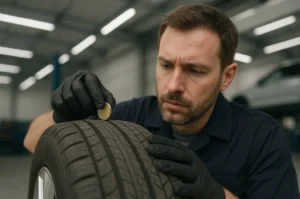
Before thinking about disposal, it’s important to understand when tyres should be replaced in the first place. Driving on worn or damaged tyres is not just unsafe; it’s illegal under UK law. The legal minimum tread depth is 1.6mm, and failure to meet this standard can result in fines of up to £2,500 per tyre, as well as penalty points on your licence.
One of the simplest ways to check tyre tread is through the 20p test. Insert a 20p coin into the groove of the tyre tread, if you can see the outer rim of the coin, the tread is too low and the tyres need replacing.
In addition to tread depth, motorists should also pay attention to visible cracks, bulges, cuts, and signs of uneven wear. Under-inflated or over-inflated tyres can also deteriorate more quickly, so regular pressure checks are a must.
If you’re unsure, reputable garages such as Kwik Fit offer free tyre inspections, helping drivers identify when it’s time for replacement.
What Environmental Risks Are Associated with Improper Tyre Disposal?
Tyres may seem harmless once they’re off your vehicle, but improper disposal can have devastating consequences for the environment. Made from a blend of rubber, steel, and fabric, tyres don’t decompose easily.
When dumped illegally, they can leach toxic chemicals into soil and groundwater, creating long-term environmental damage. Piles of old tyres also attract vermin and pose severe fire risks. Tyre fires can burn for days, releasing thick black smoke and harmful gases that contaminate the air.
However, tyre recycling has come a long way in recent years. When processed correctly, tyres can be shredded, cleaned, and converted into a material known as rubber crumb.
This recycled product is used in sports tracks, playground surfaces, carpet underlay, and even roofing materials. Many tyre manufacturers, including Continental and Michelin, are taking greater responsibility for ensuring sustainable end-of-life management for their products.
The same principle applies to individual drivers, it’s every motorist’s duty to ensure their old tyres are disposed of responsibly.
How Can You Legally and Safely Dispose of Old Tyres in the UK?
The disposal of tyres is regulated by the EU Landfill Directive, which banned the disposal of tyres in landfill sites from 2006 onwards. This means that tyres must now be either recycled, reused, or properly managed by licensed waste carriers. Fortunately, there are several legitimate and convenient options available to UK drivers.
Local Council Recycling Centres

Most UK local authorities provide access to Household Waste Recycling Centres (HWRCs), which are designated spaces where residents can dispose of various waste items, including tyres. These centres offer an environmentally responsible way to handle old tyres that are no longer fit for use.
However, tyre acceptance varies from one council to another. Some HWRCs may:
- Only accept limited quantities (e.g. up to five tyres per visit)
- Charge a small disposal fee, usually per tyre
- Require proof of residency in the borough
- Operate on pre-booked time slots for certain waste types
It’s always recommended to check the specific rules on your local council’s website before making a trip. This method is most suitable for individuals with one or two tyres and the ability to transport them safely in a car or van. For larger volumes or commercial tyre waste, other solutions may be more efficient.
Garage and MOT Centres
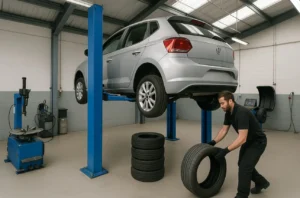
When you’re purchasing new tyres, whether during a routine service, MOT test, or tyre replacement, most garages and MOT centres will offer to dispose of your old tyres on your behalf. This is typically included as an additional service, with a modest charge to cover collection and proper recycling.
The disposal fee is usually between £1 and £3 per tyre, depending on the garage. In return, you get peace of mind knowing that your tyres are being sent to an authorised recycling facility rather than ending up in landfill or being fly-tipped.
Using a reputable garage ensures that your old tyres are:
- Accounted for through waste transfer documentation
- Passed on to Environment Agency–registered recyclers
- Disposed of legally and sustainably
This method is particularly convenient if you’re already at the garage for a service or tyre change and want to avoid managing disposal separately.
Professional Collection Services
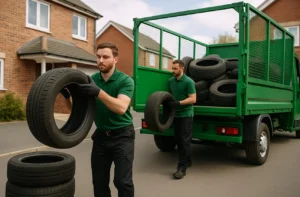
If you want a simple, professional, and fully compliant solution for tyre disposal, we offers one of the most reliable tyre collection services available in the UK.
Their tyre removal service is designed for both residential and commercial clients, making it ideal for:
- Homeowners with old tyres in the garage or shed
- Garages and tyre fitters accumulating daily waste
- Fleet managers disposing of tyres from multiple vehicles
- Businesses needing scheduled or one-off clearances
Our service ensures that:
- All collections are handled by licensed waste carriers
- You receive documentation confirming legal disposal
- Tyres are taken to certified recycling facilities, never fly-tipped or dumped
- Collections can be arranged online, with options for same-day or scheduled service
For those who don’t have time to visit a recycling centre or want to ensure full legal compliance, rubbishremoval.uk provides a dependable, eco-friendly, and hassle-free alternative.
All collections are carried out by Environment Agency–registered waste carriers, ensuring complete compliance with UK environmental law. Customers receive documentation verifying that their tyres have been disposed of responsibly.
This service is ideal for those who lack the time or transport to take tyres to a recycling centre. Bookings can be made online, with same-day or scheduled options available across the UK.
Can Old Tyres Be Reused or Repurposed at Home?
Not every tyre needs to go through the industrial recycling process. For those with a creative touch, old tyres can be repurposed for practical and decorative uses around the home and garden.
Gardeners often use tyres as planters, filling them with soil and flowers to create colourful outdoor displays. When painted, they can serve as boundary markers for driveways or playgrounds. Some homeowners even transform them into garden furniture, such as stools, tables, or swings.
Although reusing tyres is an environmentally friendly option, it’s essential to ensure they are thoroughly cleaned and placed safely to prevent accidents or health risks.
Is Selling or Donating Used Tyres an Option?
If your tyres still have legal tread depth and are in good condition, selling or donating them could be a viable alternative to disposal. Some second-hand tyre dealers or local garages accept used tyres that meet safety standards. Online marketplaces can also be used to find buyers, but transparency about condition is vital.
Alternatively, certain charities or community initiatives accept usable tyres to help with vehicle maintenance projects or vocational training. However, any tyres that don’t meet safety regulations must be disposed of legally and should never be resold or reused on public roads.
What Should You Avoid When Disposing of Tyres?
There are several practices that drivers should strictly avoid when getting rid of old tyres. Fly-tipping is one of the most serious offences, carrying fines of up to £50,000 and even potential imprisonment. Burning tyres is equally illegal and dangerous, as it releases harmful chemicals into the atmosphere.
Tyres should also never be buried or sent to landfill, as this is banned under UK law. The best approach is to use licensed recycling or collection services, ensuring your tyres are disposed of safely and ethically. Partnering with a reputable provider such as rubbishremoval.uk guarantees peace of mind and environmental compliance.
How Do Tyre Disposal Options Compare?
To help you decide which method suits your needs best, here’s a comparison of the main tyre disposal options available across the UK:
Disposal Method | Convenience | Environmental Impact | Legality |
Local Council Recycling Centre | Moderate | Low | Legal |
Garage or MOT Centre | High | Low | Legal |
Rubbish Removal Collection | Moderate | Low | Legal |
Repurposing at Home | Medium | Very Low | Legal |
Fly-tipping or Burning | Illegal | Extremely High | Illegal |
Which Tyre Disposal Method Is Best for You?
The most suitable disposal method depends on your circumstances. If you are already replacing your tyres, it’s convenient to let your garage manage the recycling process.
Those with a small number of tyres can take them to a local recycling centre, while businesses or households with several tyres can benefit from rubbishremoval.uk’s professional collection service, which saves time and guarantees compliance.
For those with a creative streak, repurposing old tyres into practical items around the home can be both rewarding and environmentally responsible. Whatever method you choose, the key is ensuring that tyres never end up dumped, burned, or sent to landfill.
Frequently Asked Questions
What happens if I dump tyres illegally in the UK?
Dumping tyres, also known as fly-tipping, is a criminal offence. Offenders can face fines of up to £50,000 or imprisonment. It’s always safer to use licensed disposal services.
Can rubbishremoval.uk collect tyres from my home or garage?
Yes, rubbishremoval.uk offers a nationwide tyre collection service for both residential and commercial customers. All waste is handled legally and with environmental responsibility.
Can I take tyres to my local recycling centre?
Many recycling centres accept tyres, though some charge a small fee or limit the number you can bring. Check your local council’s website for details.
Are old tyres recyclable?
Yes. Recycled tyres are processed into materials such as rubber crumb, which can be reused in playgrounds, road surfaces, and sports facilities.
How much does tyre disposal cost?
The cost depends on the disposal method but generally ranges from £1 to £6 per tyre. Council recycling centres may offer lower prices than private services.
Can old tyres be reused?
If tyres are still in good condition and meet legal standards, they can sometimes be resold or reused. Otherwise, recycling or repurposing is the best option.
What documentation should I receive for tyre disposal?
When using a professional service such as rubbishremoval.uk, you should receive a waste transfer note confirming that your tyres have been disposed of in accordance with UK environmental regulations.