Rubbish Removal London- Same Day Waste & Junk Clearance

Bamboo has become a popular choice for UK homeowners and consumers due to its sustainable nature and rapid growth. It’s often used for privacy screens in gardens, furniture, flooring, and everyday household items like toothbrushes, plates, and kitchenware. But when it’s time to get rid of bamboo, many are left unsure how to do so responsibly.
Unlike some organic waste, bamboo needs special attention because of its strength, potential to regrow, and how it’s classified by local councils. Disposing of it incorrectly can lead to problems like invasive regrowth or increased landfill waste.
This comprehensive guide will walk through how to dispose of bamboo safely, legally, and in an environmentally responsible way in the UK. Whether you’re dealing with live plants or bamboo products, you’ll find clear steps and useful options, including when to consider help from professional waste removal services.
What is the Difference Between Live Bamboo and Bamboo Products?
Before deciding how to dispose of bamboo, it’s important to identify the type of bamboo you are dealing with. This distinction determines how it should be handled, stored, or collected.
Live Bamboo Plants
Live bamboo refers to plants actively growing in soil, often in gardens. These can be particularly troublesome due to their ability to regrow even after cutting. Bamboo spreads through underground rhizomes, which makes it especially invasive if left unattended.
Manufactured Bamboo Products
These are items made from processed bamboo, such as plates, cups, toothbrushes, and furniture. Although marketed as eco-friendly, not all products are biodegradable or recyclable. Some contain mixed materials or coatings that make them unsuitable for composting or kerbside recycling.
Understanding which category your bamboo waste falls under will help ensure you choose the most appropriate and sustainable disposal method.
How Can Live Bamboo Be Safely Removed from a Garden?
Dealing with live bamboo in gardens can be labour-intensive, especially if the plant has matured or spread over a wide area. Removing it properly is essential to avoid regrowth and comply with local waste regulations.
Removing Bamboo Plants Completely
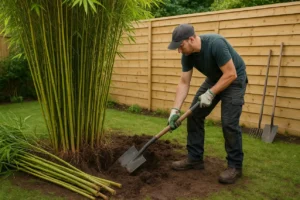
The most effective way to deal with live bamboo is to remove the plant in its entirety. This includes both the visible stalks and the underground rhizome network. Use a spade or root saw to dig out all sections of the root system. For extensive bamboo growth, larger garden tools or even mechanical diggers may be required.
It is crucial to remove as much of the rhizomes as possible because bamboo can regrow from even small root fragments.
Cutting and Drying Stalks
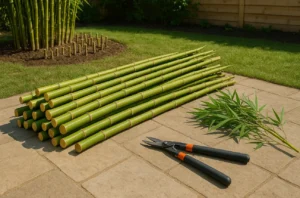
If complete removal of the roots is not feasible in one go, cutting the stalks down to ground level is the next best step. The cut stalks should be laid out to dry completely. Dried bamboo is easier to handle, less likely to regrow, and can be processed more effectively through composting or green waste disposal.
Drying should be done in a well-ventilated area, preferably on a non-soil surface like a driveway or patio to prevent accidental rooting.
Bagging and Preparing for Disposal
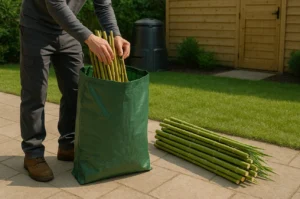
After drying, bamboo stalks and any removed roots should be bagged or bundled securely. Do not place live or moist bamboo waste in your compost or garden pile, as this can lead to regrowth. Once dried and contained, the bamboo waste can be disposed of via green waste collection or transported to a recycling centre.
Can Bamboo Be Disposed of Through Council Green Waste Collections?
Many UK councils provide green waste collection services, and bamboo may be accepted under certain conditions. However, not all local authorities treat bamboo the same way, so it’s essential to check with your local council before placing bamboo in the bin.
Guidelines for Council Disposal
In areas where bamboo is accepted, it must be:
- Cut into smaller lengths
- Completely dried
- Free from soil or moisture
- Placed loosely or bagged in the green bin
Some councils may reject large or woody bamboo stems and roots, especially if they are deemed too bulky or unsuitable for composting facilities.
If bamboo is not accepted in your regular collection, it may be necessary to take it to a local Household Waste Recycling Centre (HWRC) or book a professional collection through services like RubbishRemoval.uk, especially for large volumes.
Is It Possible to Compost Bamboo at Home?
Bamboo is a natural material, and in many cases, it can be composted. However, composting bamboo at home requires additional steps to ensure that it breaks down efficiently and does not lead to unintentional sprouting.
Preparing Bamboo for Composting
Only untreated and dry bamboo should be composted. This includes:
- Small stalks and twigs
- Bamboo leaves
- Broken down bamboo household items
To aid decomposition, bamboo should be chopped or shredded into small pieces. A compost shredder can be helpful for this purpose. Larger or thicker pieces will take longer to break down and may slow the overall composting process.
Items to Avoid Composting
- Treated or varnished bamboo, often found in furniture or kitchenware
- Bamboo with non-biodegradable coatings or paints
- Live stalks or roots
These should be disposed of through a different method, as they can contaminate your compost pile or cause regrowth.
Can Bamboo Household Products Be Recycled?
Bamboo products such as plates, bowls, and toothbrushes are often marketed as recyclable or biodegradable, but that is not always the case. The recyclability of bamboo items depends heavily on local authority capabilities and how the product is made.
Recycling at Local Centres
Most kerbside recycling bins in the UK do not accept bamboo products. However, some HWRCs may accept specific items, especially if they are made from 100% bamboo and do not contain mixed materials like plastic or metal.
Composting as an Alternative
If the item is not accepted by your council’s recycling programme, composting at home is an alternative, provided the product is biodegradable.
Before composting, remove any non-bamboo components. For example, a bamboo toothbrush should have its nylon bristles pulled out before the handle is composted.
Bamboo Household Item Disposal
Product Type | Disposal Method | Notes |
Bamboo toothbrush | Compost handle, bin the bristles | Remove nylon bristles before composting |
Bamboo plate/cup | Compost if uncoated, else general waste | Avoid if coated with resin or plastic |
Bamboo cutlery | Compost small untreated items | Break into smaller pieces first |
Bamboo furniture | HWRC or professional collection | May contain treated wood or finishes |
Bamboo packaging | Industrial composting or general waste | Depends on label and local facility |
Who Can Collect Bamboo Waste in the UK?
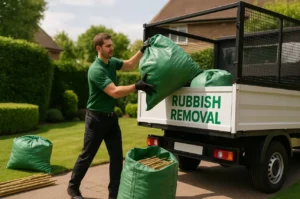
If your bamboo waste is too large for home disposal or council collection, you may want to book a professional waste removal service. Services like www.rubbishremoval.uk specialise in collecting and responsibly disposing of bulky, garden, and green waste, including bamboo.
Benefits of Using a Professional Bamboo Disposal Service
- Convenient collection from your home or site
- Fully compliant with UK waste regulations
- Avoids council restrictions and potential fly-tipping penalties
- Ideal for large quantities, invasive bamboo, or commercial waste
Professional waste services can handle both live bamboo waste from gardens and manufactured bamboo items, ensuring they are processed sustainably through shredding, composting, or recycling facilities.
What Are the Risks of Improper Bamboo Disposal?
Improperly disposed bamboo can cause several issues. The most pressing risk is unintentional regrowth, particularly from live roots or rhizomes. If these are left in garden waste piles or improperly composted, they can begin to sprout again.
In addition, placing bamboo in general waste contributes to landfill overflow and methane emissions. Bamboo, though biodegradable, breaks down slowly in landfills due to a lack of oxygen and proper composting conditions.
Finally, burning bamboo is strongly discouraged. In many UK areas, burning garden waste is illegal or restricted. Bamboo, in particular, burns with a loud crackle and can release sparks, making it a safety hazard.
How Can You Prevent Bamboo from Growing Back?
Even after bamboo is removed, there’s a risk that it will return unless the site is monitored. To prevent regrowth:
- Continue inspecting the removal area regularly
- Cut back and remove any shoots that appear
- Use a root barrier or cover the ground with a weed-proof membrane
- Consider applying natural deterrents or herbicides if regrowth persists
Long-term vigilance is the key to ensuring the bamboo does not become invasive again.
FAQs About Disposing of Bamboo in the UK
Can bamboo go in the compost bin?
Yes, if it is untreated and broken into small, manageable pieces. Avoid composting live roots or thick stalks unless they are fully dried.
Is it legal to burn bamboo waste in the UK?
Burning bamboo is discouraged or restricted in most UK councils due to fire hazards and air pollution. It’s better to compost, recycle, or use a waste collection service.
Will my council take bamboo in the green waste bin?
Some councils do, but they may have restrictions on the type, size, or condition of bamboo waste. Always check before disposal.
How do I know if my bamboo plate is compostable?
Look for labels such as “100% bamboo”, “home compostable”, or “biodegradable”. If coated with plastic or resin, it should go in general waste.
What’s the best way to get rid of a bamboo toothbrush?
Remove the bristles and compost the handle if it’s untreated bamboo. Otherwise, dispose of it in general waste.
Can I throw bamboo roots in the garden waste pile?
No. Live roots can regrow. They should be dried and bagged before being placed in green waste.
Who collects bamboo waste professionally in the UK?
Services like rubbishremoval.uk offer nationwide collection of garden and bamboo waste, ensuring it’s handled responsibly.